
Confirming what you have
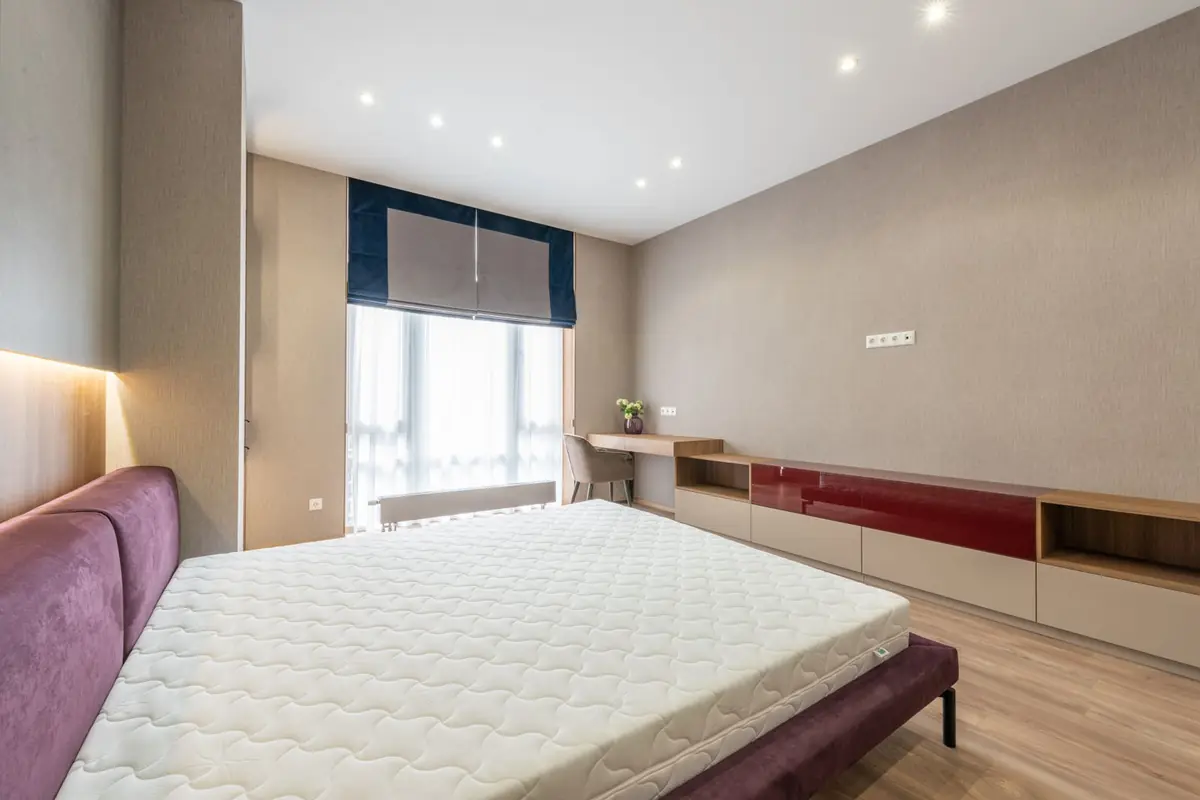
Bed bugs are flat, rust-brown and about the size of an apple seed, and they spend the day packed into seams and cracks within a few feet of where people sleep. The technician checks the piping and tags of the mattress, the corners of the box spring, the back of the headboard, the joints of the bed frame, the nightstands and the edges of the carpet. The giveaways are the bugs themselves, their pale shed skins, tiny white eggs, and dark spots of digested blood along the seams.
If nothing is found, you are told so, along with what else might be biting. Paying for a bed bug treatment you do not need is a waste, and it is more common than you might think.
Where they come from in St. Pete
Bed bugs travel in luggage and used furniture, not on pets and not because a house is dirty. Here that usually means a stay in a hotel or vacation rental, a guest who has, a second-hand sofa or mattress, or a shared wall in an apartment. Owners of short-term rentals on the beaches see them most, because so many different guests pass through in a season. If you run a rental, a quick check of each bed between guests catches an introduction before it spreads.
Heat or conventional treatment
- 01Heat. Equipment raises the infested rooms to well above the temperature bed bugs and their eggs can survive, and holds it there for several hours while fans move the heat into furniture and walls. It usually takes one day, needs no chemical residue in the bedroom, and kills every life stage at once. Some items cannot take the heat, such as candles, aerosol cans and certain electronics, and they come out of the room first.
- 02Conventional. A combination of products applied to seams, cracks, furniture joints and baseboards, sometimes with steam. It costs less per room but takes two or three visits about two weeks apart, because eggs survive the first treatment and hatch in the days after.
The inspection decides which makes sense. A single bedroom caught early often does well with a conventional treatment; several rooms, a heavy infestation or a rental that has to be turned around quickly usually justifies heat.
Preparing the rooms
- Wash bedding, curtains and clothing from the affected rooms on hot and dry them on the highest setting, then keep them sealed in clean bags until after treatment.
- Clear clutter from under beds and around the edges of the room so every seam and baseboard can be reached.
- Do not move furniture or sleep in a different room in the meantime; it spreads them to new rooms.
- Do not throw the mattress out unless the technician agrees. Most can be treated, then sealed in an encasement.
What bed bug treatment costs
| Service | Estimated price | What changes it |
|---|---|---|
| Bed bug inspection | $75–$150 | Usually credited if you treat |
| Conventional, first room | $300–$1,000 | Two to three visits included |
| Conventional, each extra room | $250–$400 | Furniture and clutter in the room |
| Heat treatment, whole home | $1,500–$3,000 | Square footage and number of rooms |
| Mattress encasement | $60–$120 / bed | Size of the bed |
Bed bug pricing depends on how many rooms are involved and how much is in them, so these are estimates. The inspection fee is usually credited if you go ahead with treatment, and you see the full price before any work is booked.
Not sure it is bed bugs? Fleas are common in homes with pets; ask about a flea treatment when you call. For other prices see the price guide.
Last updated October 8, 2026