
The short answer
For a typical St. Petersburg home, a termite inspection or WDO report runs about $75–$150. Treating subterranean termites with a liquid barrier is about $1,200–$2,500, a bait system $1,000–$2,500 to install, a contained drywood colony $250–$900 without a tent, and a full tent fumigation $2,000–$7,000 for an 1,800 sq ft house. Everyday pest control is about $95–$175 a quarterly visit after the first service. Every figure here is an estimate; the price you pay is written down after the inspection.
Summary of St. Pete prices
| Service | Typical range | Basis |
|---|---|---|
| WDO or termite inspection | $75–$150 | Per home, written report |
| Drywood spot treatment | $250–$900 | No tent, contained activity |
| Subterranean liquid barrier | $1,200–$2,500 | Typical slab home |
| Tent fumigation | $2,000–$7,000 | 1,800 sq ft home |
| Quarterly pest plan | $95–$175 | Per visit, after the first service |
| Roof rat exclusion | $400–$1,500 | Sealing the entry points |
| Bed bug heat treatment | $1,500–$3,000 | Whole home |
| Mosquito yard treatment | $75–$150 | Per visit, season plan |
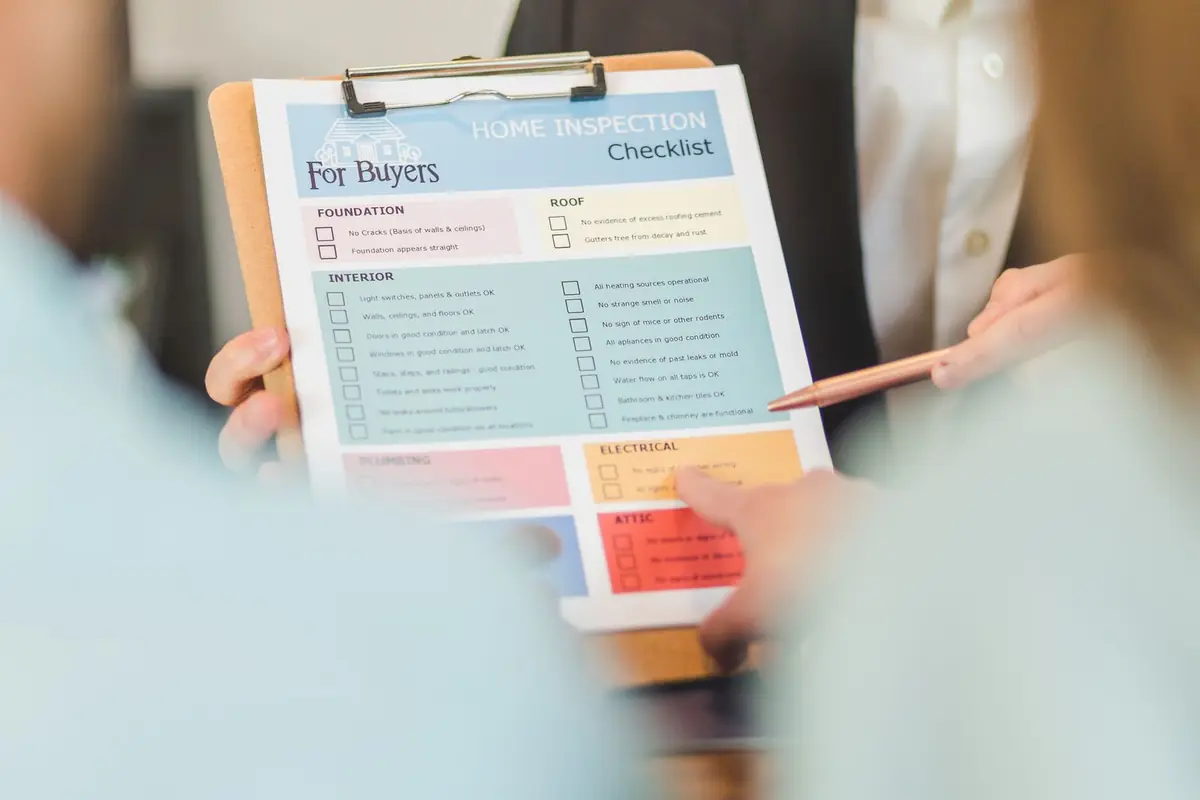
Termite inspections and WDO reports
An inspection is the cheapest thing on this page and the one that decides everything else. Many companies offer a termite inspection at no charge when they expect to sell a treatment; a WDO report for a sale is a formal document on the state form and is almost always paid for. Large homes, several buildings on one lot, or a report needed within a day of closing push the price up.
| Service | Estimated price | What changes it |
|---|---|---|
| Termite inspection (no sale) | $75–$150 | Size of the house; crawl space and attic access |
| WDO report for a home sale | $75–$150 | Large homes and rush turnaround can reach $300+ |
| Re-inspection after treatment | Up to $100 | Often included in a treatment warranty |
Subterranean termite treatment
Liquid barriers are priced mainly on the linear feet of foundation to be trenched and treated, plus the concrete that has to be drilled at driveways, patios, the garage and inside the house. A St. Pete slab home with a wraparound paver patio can cost noticeably more than a similar house with grass to the wall. Bait systems are priced on the perimeter and the number of stations, then carry a yearly monitoring fee.
| Service | Estimated price | What changes it |
|---|---|---|
| Liquid barrier, typical slab home | $1,200–$2,500 | Linear feet of foundation; concrete to drill |
| Bait station system, installed | $1,000–$2,500 | Perimeter length; number of stations |
| Bait monitoring renewal | $250–$450 / year | Visit frequency named in the contract |
| Drywood spot treatment | $250–$900 | Number of areas; foam, liquid or borate |
| Termite warranty renewal | $250–$450 / year | Retreat-only or repair cover |
Drywood termites and tent fumigation
Tenting is priced on the cubic volume of the house, which is why a two-story home or a steep roof costs more than the floor area suggests. Tile roofs add time and care. A spot treatment costs a fraction of a tent but only treats the wood you can find, so it is only priced when the inspection shows the activity is contained.
| Service | Estimated price | What changes it |
|---|---|---|
| Tent fumigation, per sq ft | About $1.10–$4.00 / sq ft | Volume of the house, not floor area alone |
| Tent fumigation, 1,800 sq ft home | $2,000–$7,000 | Stories, roof type, attached structures |
| Drywood spot treatment (no tent) | $250–$900 | Only when activity is contained |
| Drywood warranty renewal | $250–$450 / year | Annual inspection included |
Everyday pest control
Most homes here go on a quarterly plan: a thorough first service inside and out, then a visit every three months that treats the exterior barrier and anything inside that needs it. One-off treatments suit a single problem, such as a wasp nest on the lanai or fleas after a new pet.
| Service | Estimated price | What changes it |
|---|---|---|
| General pest, first service | $150–$350 | Interior and exterior clean-out treatment |
| Quarterly pest plan, per visit | $95–$175 | Size of the house and lot |
| One-time pest treatment | $150–$300 | Single problem, no plan |
| Flea & tick treatment | $150–$350 | Indoor plus yard; follow-up visit |
| Wasp or hornet nest removal | $100–$300 | Height and access |
Rodent control
The trapping is the smaller part of a roof rat bill. Exclusion, sealing every gap at the roofline with metal and mesh, is where the money goes, and it is what keeps the job from repeating. Tile roofs, two-story houses and older homes with many vents take longer to seal.
| Service | Estimated price | What changes it |
|---|---|---|
| Rodent inspection | Up to $150 | Often credited toward the work |
| Trapping program (2–4 visits) | $275–$600 | Number of visits until catches stop |
| Exclusion: sealing entry points | $400–$1,500 | Count of gaps; tile roofs and two-story homes cost more |
| Attic sanitizing / insulation | Quoted after inspection | Area contaminated |
Mosquito control
Yard treatments are priced per visit on the size of the lot and how much dense planting there is to treat. A season plan from May to October usually costs less per visit than booking treatments one at a time.
| Service | Estimated price | What changes it |
|---|---|---|
| Yard treatment, per visit (season plan) | $75–$150 | Lot size; amount of dense planting |
| One-time event treatment | $125–$250 | Lasts about two weeks |
| Season plan, May–October | $450–$900 | Six visits, about one every four weeks |
Bed bug treatment
Conventional treatment is priced per room and includes the follow-up visits needed to catch hatching eggs. Heat is priced on the whole area treated and is usually done in a day.
| Service | Estimated price | What changes it |
|---|---|---|
| Bed bug inspection | $75–$150 | Usually credited if you treat |
| Conventional, first room | $300–$1,000 | Two to three visits included |
| Conventional, each extra room | $250–$400 | Furniture and clutter in the room |
| Heat treatment, whole home | $1,500–$3,000 | Square footage and number of rooms |
| Mattress encasement | $60–$120 / bed | Size of the bed |
What moves the price on a St. Pete house
- 01Slab or raised floor. Slab homes need drilling at joints and penetrations; raised-floor bungalows in Kenwood and Old Northeast need the crawl space treated instead, which can be slower but involves less concrete.
- 02Hardscape against the house. Pavers, pool decks and driveways that run to the wall all have to be drilled for a liquid treatment, or make bait stations the better choice.
- 03Roof type and height. Tile and two-story roofs add cost to both fumigation and rodent exclusion.
- 04Storm and flood history. Houses that took water in 2024 may have damaged wood that needs a carpenter before or after treatment. Repairs are always quoted separately.
- 05Condo and HOA rules. Multi-unit buildings often need association approval and a building-wide approach, which changes both the method and the price.
- 06The warranty you choose. Retreat-only warranties cost less each year than ones that also cover damage repairs.
Why quotes for the same house disagree
It is common to get three termite quotes that are thousands of dollars apart. Usually the companies are not quoting the same thing. One has measured the foundation and priced a full liquid barrier with a repair warranty; another has priced bait stations with a retreat-only renewal; a third has quoted a tent for what may be a contained drywood colony. Before comparing totals, line up the method, the product named on the proposal, the areas covered, what the warranty pays for, and what it costs to renew after year one. The cheapest number is often the one with the smallest scope.
Paying for termite work as part of a home sale
If a WDO report finds live termites during a sale, the purchase contract usually decides who pays to treat. In many contracts the seller treats before closing and hands over the paperwork. Damage repairs are often capped. Ask your agent which applies before booking anything, and ask for the treatment proposal in writing so it can be shared with both sides.
See how each service works: inspections and WDO reports, termite treatment, tenting, rodent control, mosquito control and bed bug treatment. Pricing for our service areas is the same across Pinellas Park, Gulfport and St. Pete Beach.
Every figure on this page is an estimate drawn from Florida and Tampa Bay pricing for typical homes. Your price depends on the house and what the inspection finds, and it is always given in writing before any work is scheduled.
Last updated October 8, 2026