
The two kinds of mosquito problem here
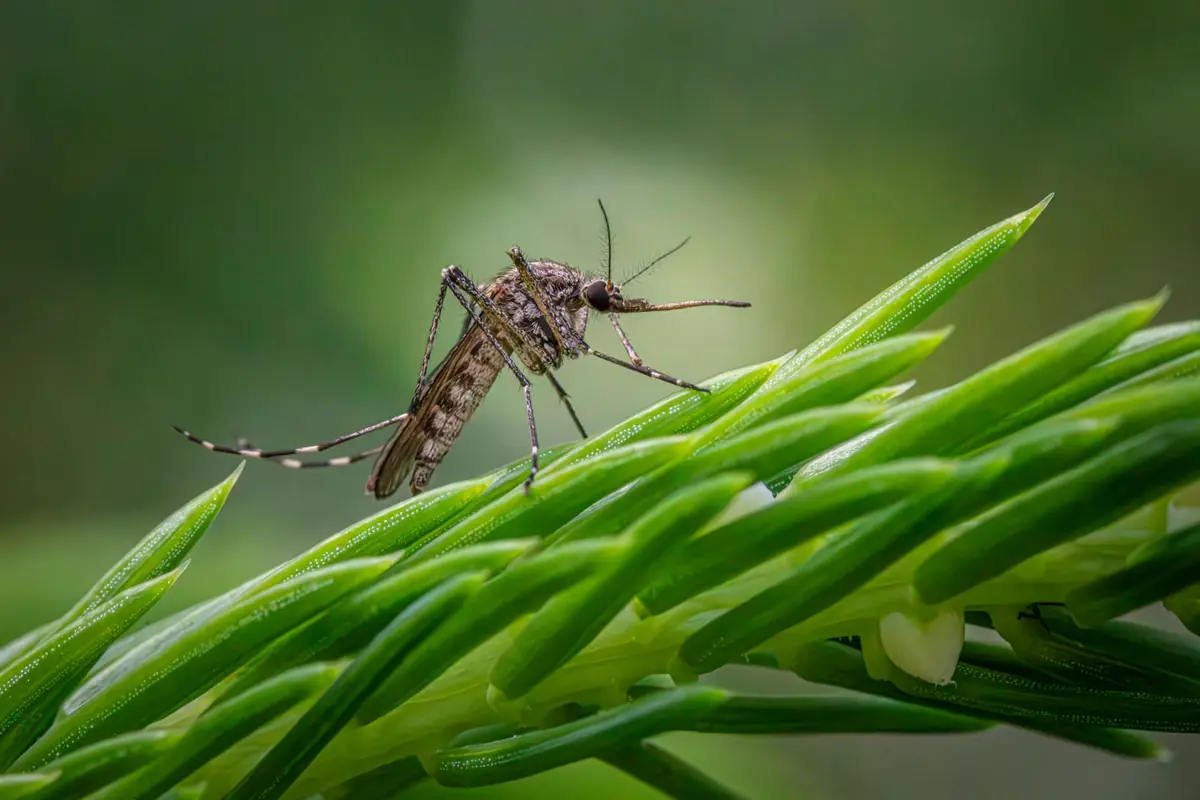
Most of the mosquitoes biting you in a St. Pete back yard were born within a few houses of it. Container mosquitoes, the small black-and-white ones that bite during the day, breed in tiny amounts of standing water: plant saucers, bromeliads, blocked gutters, boat covers, kids’ toys and the folds of a pool cover. These are the ones a yard treatment controls well.
The other kind comes from the coast. Saltmarsh mosquitoes hatch in tidal flats after high tides and heavy rain and can fly a long way inland in huge numbers. Pinellas County Mosquito Control handles the marshes and area-wide spraying; a yard treatment gives you relief from the ones that settle in your shrubs, but it cannot stop a fresh swarm blowing in after a king tide.
What a treatment visit includes
- 01A walk for standing water. Every container that can be tipped out is tipped out, and you are shown the ones that keep refilling.
- 02Barrier spray where adults rest. Adult mosquitoes spend the day in cool, shaded, humid foliage. The underside of leaves on hedges, the shade under the lanai, crawl space vents and dense ground cover get a residual treatment that keeps working between visits.
- 03Larvicide where water stays. Bromeliads, drains, ornamental ponds without fish and low spots that hold water get a larvicide that stops larvae turning into biting adults.
- 04Flowering plants avoided. Blooms are skipped, and the treatment is aimed at resting sites rather than fogged across the yard, to keep it off pollinators.
When to start, and how often
The season here runs roughly from May to October, following the rainy season, with a peak in July and August. Starting in April, before the first big rains, means the population never gets going. Visits are spaced every three to four weeks because that is about how long a residual barrier lasts in Florida sun and rain. Some homeowners book a one-off treatment before a party or a family visit instead; it helps for about two weeks.
What you can do between visits
- Tip out anything holding water once a week. The cycle from egg to biting adult can be under ten days in summer heat.
- Flush bromeliads with a hose, or swap a few for plants that do not hold water.
- Keep gutters clear and make sure downspouts drain away from the house.
- Check the screens on the pool cage and lanai; a torn panel lets them straight in.
What mosquito control costs
| Service | Estimated price | What changes it |
|---|---|---|
| Yard treatment, per visit (season plan) | $75–$150 | Lot size; amount of dense planting |
| One-time event treatment | $125–$250 | Lasts about two weeks |
| Season plan, May–October | $450–$900 | Six visits, about one every four weeks |
Per-visit prices are estimates that depend on the size of the lot and how much dense planting there is. Season plans are usually cheaper per visit than one-off treatments; you get the figure for your yard before the first visit.
Many homes combine a mosquito season plan with a quarterly general pest plan. See both in the price guide.
Last updated October 8, 2026